What is the meaning of the furniture term Apron?
Answer: In furniture, the term apron refers to a horizontal, decorative, or structural panel that is attached to the lower edge or sides of a piece of furniture. It typically runs parallel to the ground and spans across the front, sides, or back of the furniture item... read more
| Previous term: Apple Wood | Next term: Arabesque |
Natural Stone Tiles
Natural stone tiles are a popular choice for homeowners and interior designers looking to add a touch of elegance and natural beauty to their spaces. These tiles are made from various types of natural stones, each with its own distinct characteristics and aesthetic appeal. Discover the timeless beauty and durability of natural stone tiles.
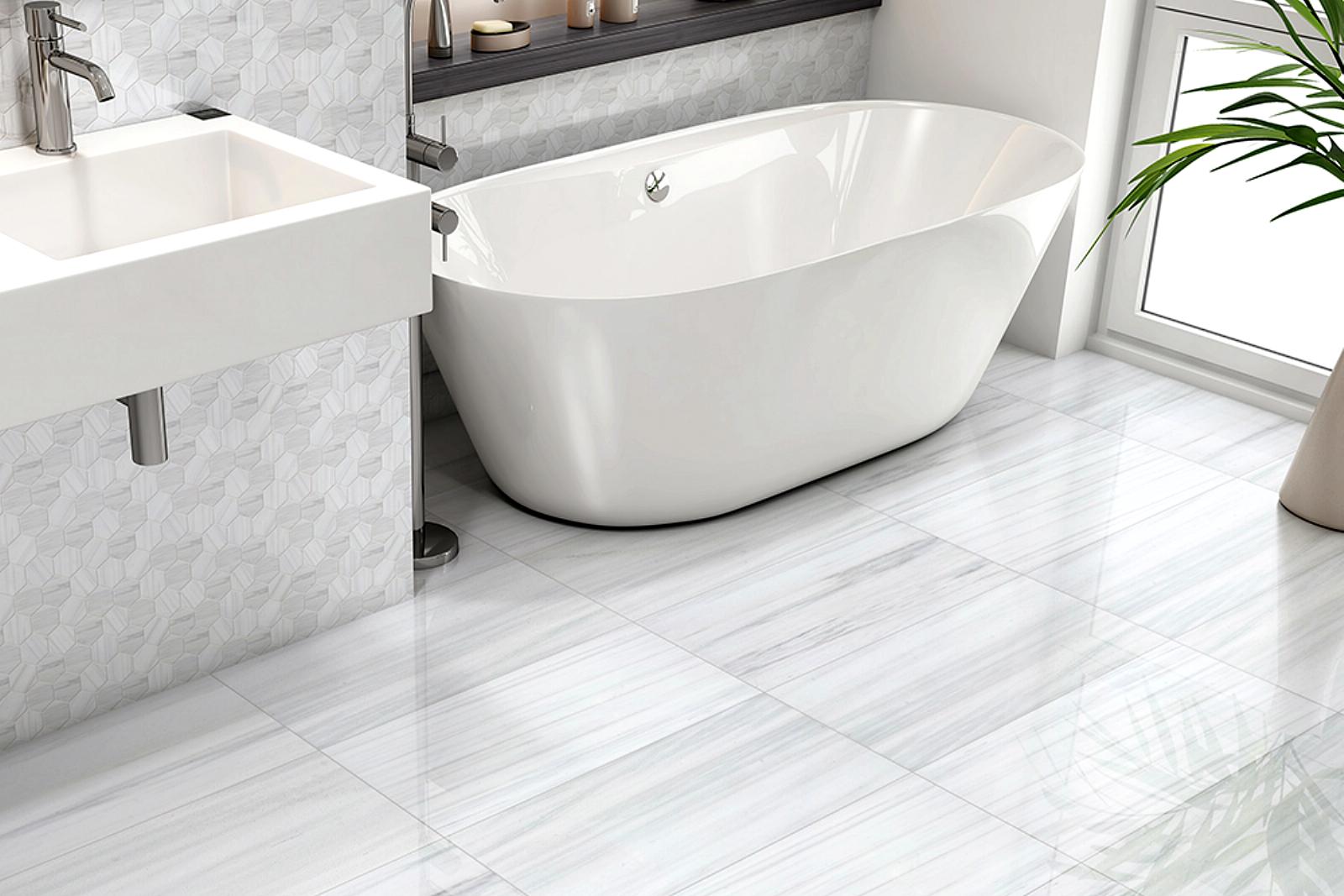
Natural stone tiles are a popular choice for homeowners and interior designers looking to add a touch of elegance and natural beauty to their spaces. These tiles are made from various types of natural stones, each with its own distinct characteristics and aesthetic appeal. Discover the timeless beauty and durability of natural stone tiles.
What is the meaning of the furniture term Apron?
The apron serves both functional and aesthetic purposes. Functionally, it provides added stability and support to the structure, especially in case of tables or desks. Aesthetically, it adds visual interest and can be embellished with carvings, moldings, or decorative elements. The apron is commonly found in various types of furniture, including tables, chairs, cabinets, and chests. Its design and dimensions differ depending on the style and purpose of the furniture piece, but it generally contributes to the overall look and structural integrity of the furniture. Apron is a structural part of furniture, also called skirt. The pieces connecting the legs of a table, beneath the seat of chairs, along the base of cabinets.
The term apron refers to a horizontal board or panel that runs along the underside or front side of a piece of furniture. It is typically positioned between the legs or supports of the furniture and acts as a decorative and functional element.
The primary purpose of an apron is to provide structural support and stability to the furniture piece. It helps to connect and reinforce the various components of the furniture, such as the legs or supports, ensuring that they stay securely in place. By adding an apron, the furniture becomes more resistant to warping or sagging over time.
Aprons can vary in size, thickness, and design depending on the style and purpose of the furniture. They can be wide or narrow, flat or intricately carved, and may have different profiles, such as straight, curved, or shaped. The apron can also be plain or adorned with decorative elements, such as moldings, carvings, or inlays, to enhance the aesthetic appeal of the furniture.
Beyond its structural role, the apron often serves as a visible decorative feature that contributes to the overall design integrity of the furniture. The choice of materials, finish, and details of the apron can complement and harmonize with other elements of the furniture, such as the tabletop or legs. In some cases, the apron may even be a focal point, showcasing the craftsmanship and artistic flair of the furniture maker.
Depending on the furniture type, the apron can serve a functional purpose as well. For instance, in tables and desks, the apron often functions as a support for drawers or as a space to attach hardware, such as hinges or slide mechanisms. In chairs, the apron can provide stability and prevent leg movement or splaying.
The apron is a crucial component of furniture design that adds both structural stability and aesthetic appeal. It not only contributes to the durability and functionality of the piece but also complements the overall style and visual appeal of the furniture.
The apron serves both functional and aesthetic purposes. Functionally, it provides added stability and support to the structure, especially in case of tables or desks. Aesthetically, it adds visual interest and can be embellished with carvings, moldings, or decorative elements. The apron is commonly found in various types of furniture, including tables, chairs, cabinets, and chests. Its design and dimensions differ depending on the style and purpose of the furniture piece, but it generally contributes to the overall look and structural integrity of the furniture. Apron is a structural part of furniture, also called skirt. The pieces connecting the legs of a table, beneath the seat of chairs, along the base of cabinets.
The term apron refers to a horizontal board or panel that runs along the underside or front side of a piece of furniture. It is typically positioned between the legs or supports of the furniture and acts as a decorative and functional element.
The primary purpose of an apron is to provide structural support and stability to the furniture piece. It helps to connect and reinforce the various components of the furniture, such as the legs or supports, ensuring that they stay securely in place. By adding an apron, the furniture becomes more resistant to warping or sagging over time.
Aprons can vary in size, thickness, and design depending on the style and purpose of the furniture. They can be wide or narrow, flat or intricately carved, and may have different profiles, such as straight, curved, or shaped. The apron can also be plain or adorned with decorative elements, such as moldings, carvings, or inlays, to enhance the aesthetic appeal of the furniture.
Beyond its structural role, the apron often serves as a visible decorative feature that contributes to the overall design integrity of the furniture. The choice of materials, finish, and details of the apron can complement and harmonize with other elements of the furniture, such as the tabletop or legs. In some cases, the apron may even be a focal point, showcasing the craftsmanship and artistic flair of the furniture maker.
Depending on the furniture type, the apron can serve a functional purpose as well. For instance, in tables and desks, the apron often functions as a support for drawers or as a space to attach hardware, such as hinges or slide mechanisms. In chairs, the apron can provide stability and prevent leg movement or splaying.
The apron is a crucial component of furniture design that adds both structural stability and aesthetic appeal. It not only contributes to the durability and functionality of the piece but also complements the overall style and visual appeal of the furniture.